
African American faces on US stamps: Why I feel more and more that there is an ulterior motive

African American faces on US stamps: Why I feel more and more that there is an ulterior motive
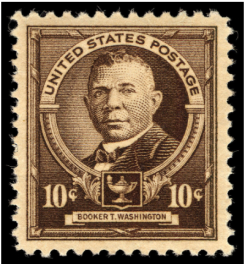
It was a bit of a coincidence that I found a stamp album I collected when I was a child when I was sorting out old things a while ago. There happened to be a picture of Booker T. Washington on the cover. I was wondering why he was the first African American to appear on a U.S. stamp. I did some research and actually opened a Pandora's box of history.
This stamp was issued in 1940. Washington himself was the founder of Tuskegee Institute and a leading figure in the history of American education. He emphasized improving the situation of black people through technical education, which sounds very pragmatic - but he did not encourage civil rights struggles. In the context of the prevalence of racial segregation at the time, was this "going with the flow"? Or was it a last resort? I can't tell now. In short, he was the "first", but not necessarily the most radical one. Maybe this is why he can appear on the stamp.
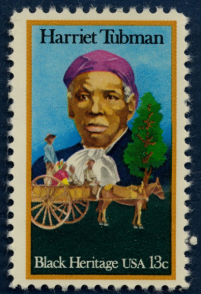
Jumping back to 1978, Harriet Tubman was chosen as the first person in the "Black Heritage" series. I was really shocked when I first heard her story - escaped slaves, rescued people, spy, and participated in the women's suffrage movement. This person has experienced so much. This series of stamps began that year, and one stamp has been issued every year until now. It's quite ironic to think that a lot of black history has been ignored, but it is through stamps, this small thing, that some people can see it again.
Then, some people who surprised me were also on the stamps, such as Malcolm X. He was not a "moderate", and his words "protect yourself by any means necessary" still sound very impactful today. And W.E.B. Du Bois, that kind of sharp intellectual rebellious spirit is still very "hardcore" today. These people are not as "easy to accept" as Washington, but the Postal Service also gave them a place. I'm not sure whether this is a political gesture of goodwill, or social changes, or both.
I don’t remember the 1997 Kwanzaa stamp very clearly, but I remember it was a family gathering together, wearing colorful clothes, and it looked very festive. Kwanzaa itself is not a mainstream holiday, but it was chosen to be a stamp, which is a display of cultural identity to some extent. Many holidays are to remind people "who we are."
These stamps, on the surface, are patterns, designs, and commemorations, but in fact they are more like a puzzle of historical fragments. They don't tell stories noisily, but if you are willing to spend a few minutes to check the people behind each stamp, those stories may be more real than textbooks.
I’m not sure if I’m the only one who feels this way, but sometimes, these stamps speak louder than news or documents. They’re so small, but they carry so much history.